
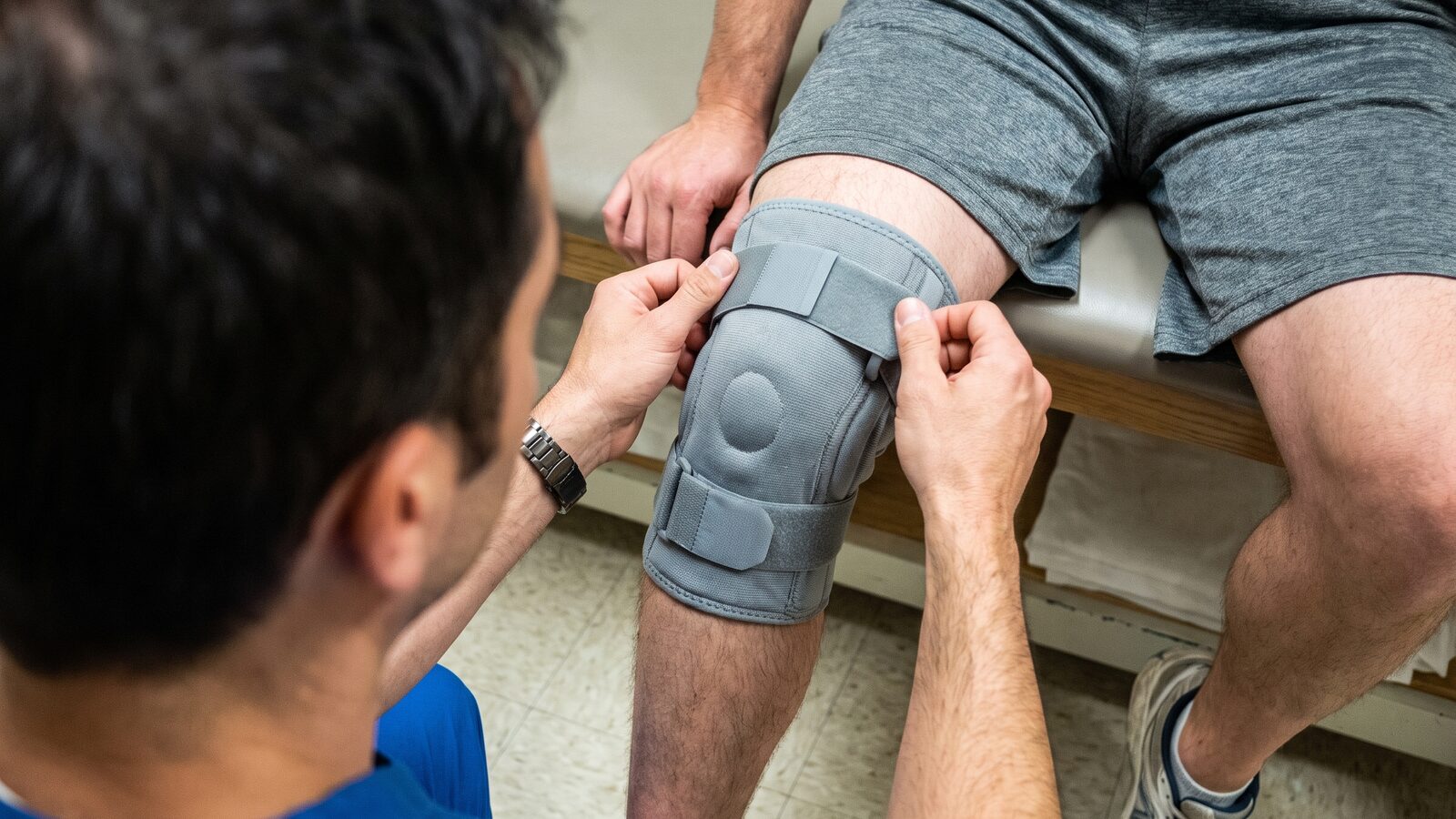
It is a good day. The pain that has been following you around for weeks is quiet, you have things to do, and sitting in another waiting room feels like a waste of an afternoon. So you skip the next appointment, then the one after that, and just like that treatment is over.
It is a completely understandable instinct. It can also cause two problems at once.
Feeling better is not the finish line
Soft tissue injuries and back and neck problems have a way of feeling improved before they are actually resolved. Stop the care plan early and the injury can settle back in, sometimes worse than before, because you went back to normal life before your body was ready for it.
Your provider set the plan for a reason. The plan is based on the injury, not on how you feel on one good morning.
Feeling better is not always the same as being fully healed.
Gaps in treatment become arguments
There is a second cost, and it is the one people never see coming. A gap in your medical records is something an insurance company can use.
If you stop treating and then the pain comes back a month later, the story on paper looks like you recovered and then something new happened. The clean line between the crash and your injury gets blurry, and blurry is exactly what the other side is hoping for.
An early stop in treatment can be read as proof you were already fine.
What counts as stopping early
It is not only formally quitting. In practice it looks like:
- Skipping or no-showing appointments because you feel alright that week
- Cutting physical therapy short before the course is done
- Deciding on your own that you do not need the follow up
- Toughing it out instead of reporting that something still hurts
Any of those can leave a hole in the record, even when you feel fine while it is happening.
What to do instead
- Tell your provider you feel better and let them decide what changes, not you.
- Finish the plan you were given, or get it formally adjusted.
- Keep reporting symptoms honestly, including the ones that come and go.
- Do not create your own gap. If money or scheduling is the problem, say so, because there are usually options.
The short version
A good day is not a discharge. Before you stop treatment because the pain eased up, run it by the person treating you. Finishing the care plan protects your recovery, and it keeps your records telling the honest story of what the crash actually did.
If you are still recovering from a crash, here is how Joseph handles car accident injury cases in Phoenix.