
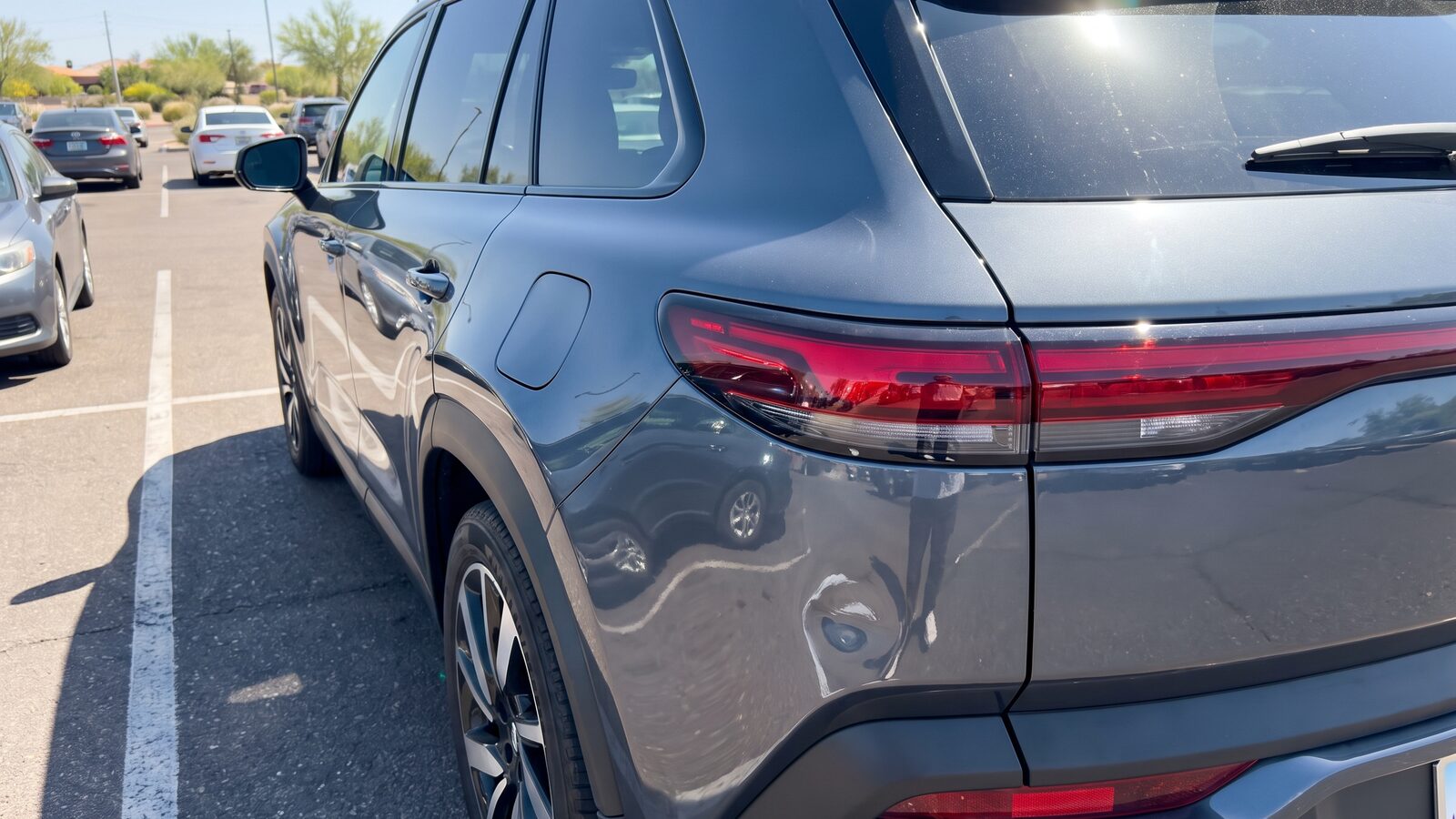
It usually sounds reasonable in the moment. It was just a fender bender. The other driver said sorry. Your car still drives. Why make a whole thing out of it?
Then the neck stiffens up on day three, the physical therapy referral shows up, and a bill you did not expect lands in the mail. The crash was minor. The month afterward was not.
Small crash, real bills
The size of the dent does not decide the size of the injury. Low speed collisions still produce whiplash, soft tissue strains, and concussion symptoms, and those can take days to show up and weeks to settle down.
None of that cares how the bumper looked. Your body absorbed the hit either way.
How dramatic the crash looked is not the same as what the injury costs you.
What actually goes into a claim
When people say a case is small, they are usually only picturing the car. A claim is rarely just the car. Depending on the facts, it can involve:
- Medical bills, including the ER visit, imaging, and follow up care
- Treatment you still need, like physical therapy or a specialist
- Time missed from work, including partial days for appointments
- Out of pocket costs that pile up quietly, from prescriptions to a rental car
- Pain and the things you cannot do while you heal
Add those up honestly and a case that felt too small to mention often is not.
Why people talk themselves out of it
Usually it is not about the money at all. It is not wanting to seem dramatic, or greedy, or like the kind of person who calls a lawyer over a sore neck. So they wave it off, pay the bills themselves, and move on.
The problem is that those bills came from someone else’s mistake, and once you have absorbed them, it is hard to go back.
The insurance company is perfectly happy to let you decide your own case is too small.
You do not have to guess
You do not need to know what a claim is worth to ask about one. That is the whole point of a free consultation. You describe what happened, someone who does this every day tells you whether there is anything there, and you decide from an informed place instead of a guess.
Nobody is going to talk you into a case that is not real. But it is worth finding out before you pay for an injury that was not your fault.
What to actually do
- Keep your bills and records, even the small ones. They add up.
- Get checked if anything still hurts, and follow the care you are given.
- Do not accept or reject a claim in your head before you understand the actual costs.
- Ask. A consultation costs nothing and settles the question either way.
The short version
A small crash does not always mean a small impact on you. Before you decide it is not worth anyone’s time, add up what it actually cost and ask someone who can tell you whether there is a claim. Then decide. The consultation is free, and there is no obligation.
Joseph handles car accident cases of every size across the Valley, and he will tell you honestly whether yours is worth pursuing.